About the Photographer
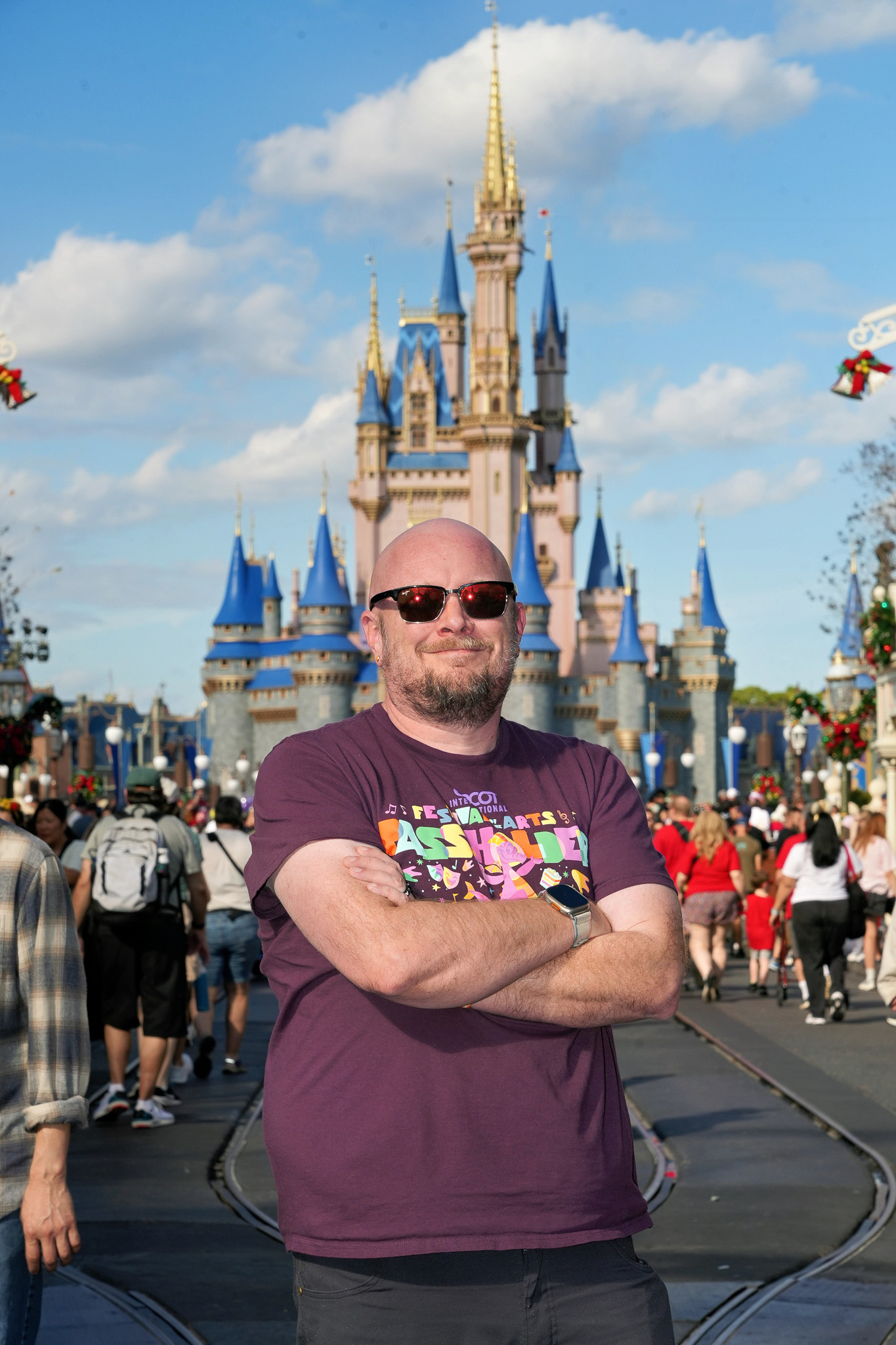
I'm not a professional photographer. I'm someone who recognized a parallel experience of transformation and wanted to create space to explore it.
I'm a husband and father living in Central Texas. My wife has been instrumental in helping develop this project-providing feedback, connecting with potential participants, and ensuring the work stays grounded in actual maternal experience rather than my assumptions about it.
The Parallel Experience
For forty years, I wore masks I didn't know I had on. As a late-diagnosed autistic adult, I spent decades performing "normal" so well that I lost track of who I actually was underneath. Autism transformed me from the inside-how I think, how I process, how I exist in the world. But you can't see that transformation. It's invisible.
I worked hard to keep it that way. I built elaborate scripts, learned the "right" responses, studied how neurotypical people moved through social spaces. I became so good at masking that even I forgot I was doing it. The cost was losing access to my authentic self.
When I was finally diagnosed in my early 40s, I began the slow, uncomfortable work of unmasking-learning to exist as my transformed self rather than hiding it. That process of identity reclamation is ongoing.
This project began when I recognized a parallel in the mothers around me. Their transformation wasn't invisible-it was written on their bodies. Society told them to hide it, fix it, "get their body back." The exhausting work of hiding what makes you different felt deeply familiar to me.
The Question That Started This: What if the transformation isn't the problem? What if the work is learning to exist as the transformed version-not despite it, but as it?
That question applies to my neurodivergent experience. And it applies to maternal body transformation. This project explores that shared territory.
Why I'm Creating This Work
I understand what it's like to be told your transformed self is wrong. I know the work of reclaiming authenticity after years of performing what others expect. I know what it means to be seen as you actually are rather than as you think you should be.
That shared experience positions me to do this work in a particular way:
- I won't project my interpretation onto you. My neurodivergence means I'm less likely to assume what you "should" be feeling and more likely to take your words as truth.
- I understand the discomfort of vulnerability. Unmasking-letting yourself be seen authentically-is uncomfortable even when it's safe. I'm navigating that same territory.
- I care about consent and clarity. My autistic communication style means I'm direct, literal, and explicit about boundaries and expectations. What I say is what I mean.
- I won't rush the process. Slow, deliberate pacing helps me stay present. It also creates space for you to move at your own speed.
My Approach & Philosophy
Collaboration Over Direction
This isn't about my artistic vision. It's about you figuring out how you feel about your transformed self. You choose the words that describe who you want to embody. You decide the approach to nudity (implied, partial, or full). You lead-I photograph.
Authenticity Over Performance
I'm not looking for "pretty pictures" or perfect poses. I'm interested in genuine presence-what happens when someone shows up as they actually are rather than performing what they think is expected.
Ethics Over Aesthetics
Your safety, comfort, and autonomy matter more than any photograph. If that means we pause, adjust, or stop entirely, that's what we do. The photograph is never more important than the person.
About the "Male Gaze" Question: I've thought carefully about the inherent power dynamics of a man photographing vulnerable women. Here's how I'm addressing it:
- This work centers YOUR experience, not my perspective
- You maintain control at every stage-words, wardrobe, boundaries, consent
- The goal is your self-expression, not external consumption
- Comprehensive safety protocols and video recording for both our protection
- Transparency about process, limitations, and intentions
If you're uncomfortable with a male photographer for any reason, trust that. Trust your instincts.
What I'm Learning
I'm building technical skills through practice-lighting, posing, composition. I'm reading extensively about body-positive photography, consent protocols, and working with amateur models. I'm developing comprehensive safety and care procedures.
But more fundamentally, I'm learning alongside participants. I'm learning to be present with vulnerability without trying to fix or manage it. I'm learning to trust that authentic presence-even when uncomfortable-has value. I'm learning what it means to facilitate rather than direct.
This project is as much about my own growth in creating ethical, participant-centered work as it is about the final images.
My Communication Style
I'm autistic, which shapes how I communicate and work with people. Here's what that means practically:
- I'm direct and literal. I say what I mean and mean what I say. If I'm quiet, it's because I'm focused, not uncomfortable.
- I take you at your word. If you say you're okay, I believe you. If you need something, please say so explicitly-I won't read between lines.
- I'm calm in emotional moments. When emotion surfaces, I won't mirror it back or get flustered. My calm isn't dismissal-it's my way of creating steady ground.
- I may ask for clarification. If something you say is unclear, I'll ask. This isn't doubt-it's me making sure I understand correctly.
- I may seem intense when working. Focus looks like intensity for me. It's not seriousness or judgment-it's engagement.
"If anything I say or do feels unclear or off, please tell me immediately. I'll adjust. Clear communication helps both of us."
What I'm Not
It's important to be clear about my limitations:
- I'm not a therapist. I can be present with emotion, but I'm not trained to provide therapy or treatment.
- I'm not a professional photographer. I'm developing skills intentionally for this project, but I'm learning as I go.
- I'm not claiming expertise in maternal experience. I understand transformation and identity reclamation through my own lens. Yours is different.
- I'm not perfect. I'll make mistakes. What I can promise is that I'll listen when you tell me something isn't working and I'll adjust.
Why This Matters to Me
I spent forty years hiding my transformed self. I know the cost of that hiding-the exhaustion, the loss of authenticity, the distance from who you actually are. I know what it's like to finally be seen and how uncomfortable that can feel even when it's healing.
This project is my way of documenting others in similar territory. The specifics are different-neurodivergence versus maternal transformation, invisible change versus visible change-but the core work is the same: learning to exist as your actual self, not the version you think you should be.
We're both doing that same work. This project documents it.
A Note on Growth: I'm not doing this work despite being early in my photography journey-I'm doing it because this specific intersection of transformation, identity, and vulnerability is where my lived experience positions me to contribute something meaningful.
The technical skills will develop. The understanding of what this work requires-that's already here.
Contact
If you have questions about me, my approach, or why I'm creating this work, please ask. Transparency builds trust, and I want you to have the information you need to make an informed decision about participation.
Email: [email protected]